
Diet & Nutrition · 2 min read
Can Hedgehogs Eat Cat Food? (Yes)
Yes — high-protein adult cat kibble is the standard staple food for pet hedgehogs.
Verdict
Yes
Portion · Frequency
1–2 tablespoons of dry kibble per night · Daily — this is the staple, not a treat
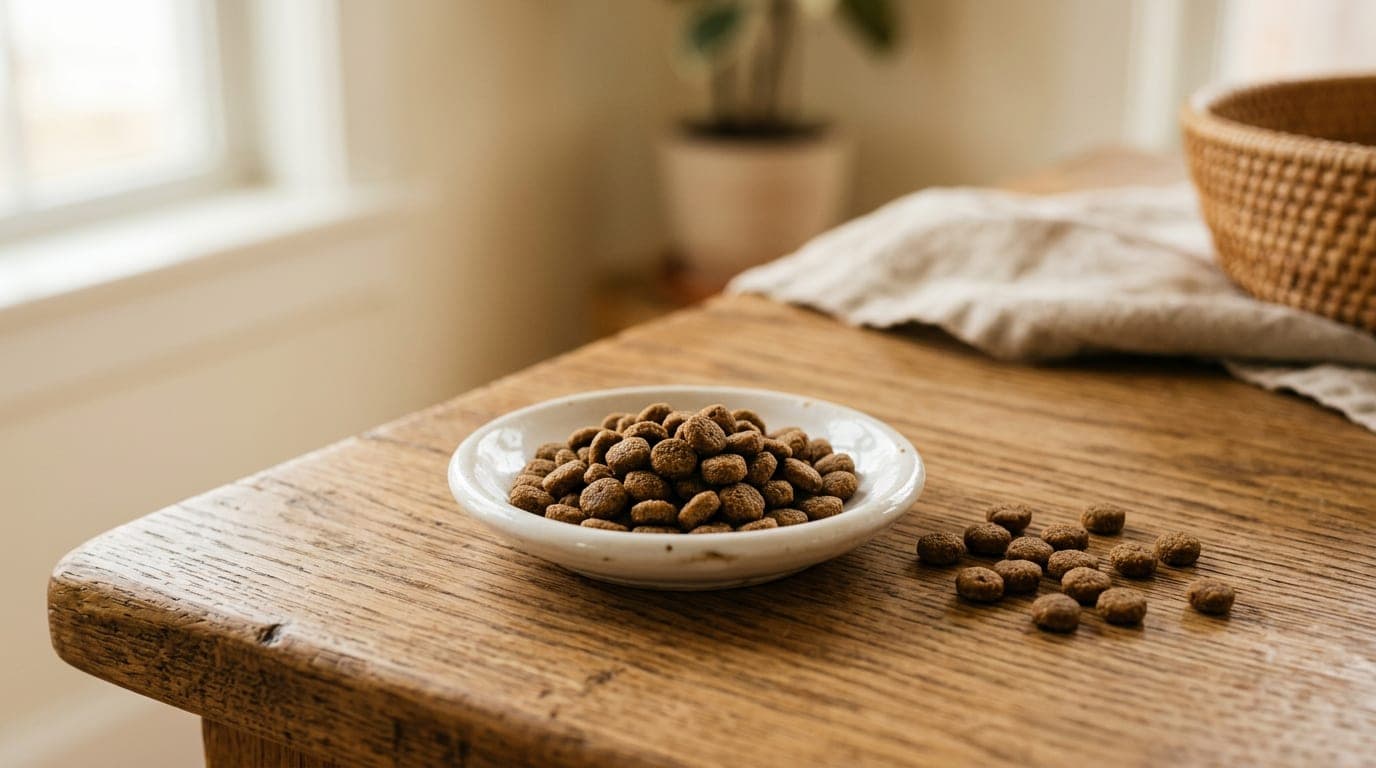
Adult cat kibble · 30%+ protein · daily staple
This isn't a treat — it's the recommended staple food for captive African pygmy hedgehogs. The story is mildly absurd: dedicated "hedgehog food" sold next to the hedgehogs at most pet stores is, in our experience, almost always a worse product than the cat food two aisles over. Quality adult cat kibble has had decades of competitive nutritional refinement; hedgehog-specific food has had almost none. So most experienced owners feed cat kibble as the foundation of every meal.
Why
Hedgehogs are insectivores, but in captivity their actual macronutrient needs map closely to what high-quality cat food is formulated to deliver: 30–35% protein from named meat sources, moderate fat (10–15%), low-to-moderate carbohydrate, complete vitamins and minerals. The kibble shape and hardness even works for their dental wear pattern.
The pet-store "hedgehog food" usually fails on three or four dimensions at once: too low protein (often 22–25%), too much filler grain or corn, too much mealworm in the formulation (which trains pickiness), and pellets sized for a larger animal. The reason it exists isn't nutritional research — it's that pet stores can sell more product when each species has its own bag.
How to actually serve it
1–2 tablespoons of dry kibble per night, refreshed when it gets stale. Place in a small ceramic dish (heavy enough not to tip). Some owners soak a few pieces in warm water for 5 minutes for older hedgehogs with worn teeth. Don't free-feed unlimited amounts — measure the portion and adjust based on weekly weigh-ins.
Three rules, no exceptions
- 30%+ crude protein, ≤15% fat, named meat (chicken, turkey, lamb) as first ingredient
- Grain-inclusive only — skip grain-free formulas (legume substitutes have raised concerns)
- Adult cat formula only — not kitten (too fat), not senior (too low protein)
What it’s actually good for
Complete nutrition formulated by companies with research budgets that hedgehog-food companies don't have. Predictable, consistent, available everywhere. Cheaper per pound than "hedgehog food." Kibble shape and hardness suit hedgehog dental wear. Most reputable brands meet AAFCO standards for cat nutrition, which translates well to captive insectivore needs.
What it’s not good for
It's possible to pick a bad cat food just as easily as a bad hedgehog food. Fish-based formulas (especially salmon-and-rice types) sometimes don't suit hedgehogs as well as poultry-based. Some hedgehogs develop preferences for one specific brand and refuse others, which becomes a problem if that brand is discontinued.
Signs to watch for
Weight: weigh weekly, adjust portion if trending more than 10% in either direction. Stool: changes after switching brands are normal for a few days; persistent loose stool means the food doesn't agree with them — try a different brand. Refusal of kibble usually means too many treats, not a problem with the kibble.
Compare to other others
Common questions
Common questions
What specific brands do experienced owners recommend?
Brands that come up reliably: Blue Buffalo Wilderness Adult, Wellness Complete Health Adult, Solid Gold Indigo Moon, Purina One Healthy Metabolism. Specifics shift over time — the rule (30%+ protein, named meat first, grain-inclusive, adult formula) matters more than the specific bag.
Should I feed only hedgehog-specific food?
Most experienced owners we know feed primarily cat food. Some mix a small amount of hedgehog kibble in for variety. Pure hedgehog food as the only diet is uncommon among long-term owners.
Why not kitten food?
Kitten food is calorie-dense and fat-heavy to support rapid growth. A captive adult hedgehog on kitten food will gain weight quickly. Skip it unless you're treating an underweight or recovering hedgehog under vet supervision.
Why not grain-free?
Grain-free pet foods often substitute peas, lentils, and other legumes that have been linked to heart issues in cats and dogs. The research on hedgehogs is thin, but the cautious choice is to avoid the legume substitutes until that picture clarifies.
Related on this site